What Saldor users actually want
Mimir analyzed 3 public sources — app reviews, Reddit threads, forum posts — and surfaced 3 patterns with 4 actionable recommendations.
This is a preview. Mimir does this with your customer interviews, support tickets, and analytics in under 60 seconds.
Top recommendation
AI-generated, ranked by impact and evidence strength
Revise terms of service to align legal language with privacy-first architecture
High impact · Small effort
Rationale
The product's technical implementation demonstrates genuine privacy protections — emails never persist on servers, personal data is encrypted, and no third-party sales occur. But the terms of service undercut these claims by stating the service is provided 'as is' with no warranties for data protection. This disconnect creates user uncertainty and exposes the business to trust erosion.
Three sources confirm both the strong technical safeguards and the contradictory legal language. Users evaluating the product for sensitive communications will read both the privacy documentation and the terms. When these conflict, they will default to the more conservative interpretation, assuming the legal document reveals the truth.
Revising the terms to accurately reflect the technical architecture requires legal review but delivers immediate credibility gains. The goal is not to increase liability but to make legal language match operational reality. Terms should explicitly acknowledge the privacy-first design while maintaining necessary disclaimers for service availability and performance.
Projected impact
The full product behind this analysis
Mimir doesn't just analyze — it's a complete product management workflow from feedback to shipped feature.
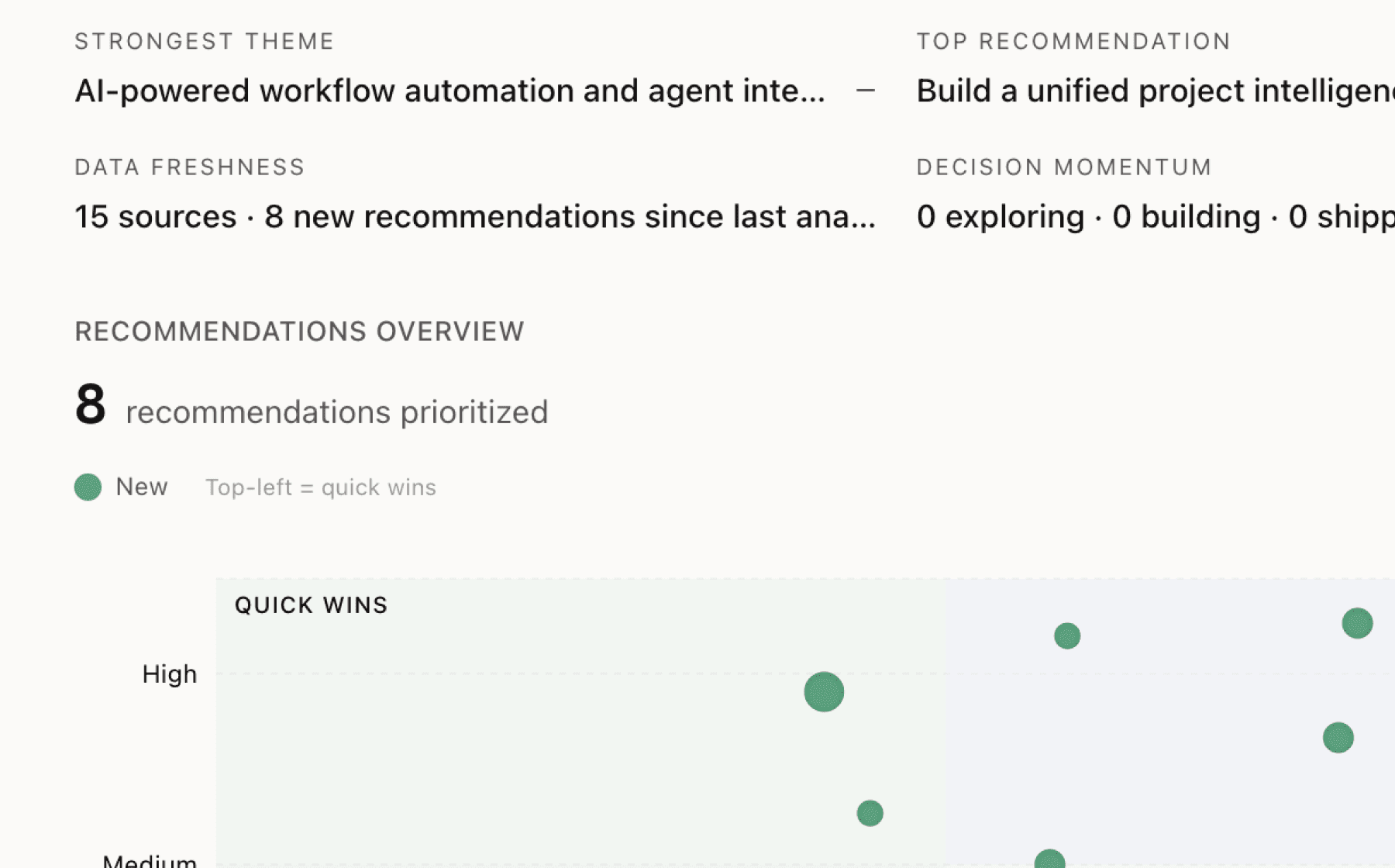
Evidence-backed insights
Every insight traces back to real customer signals. No hunches, no guesses.
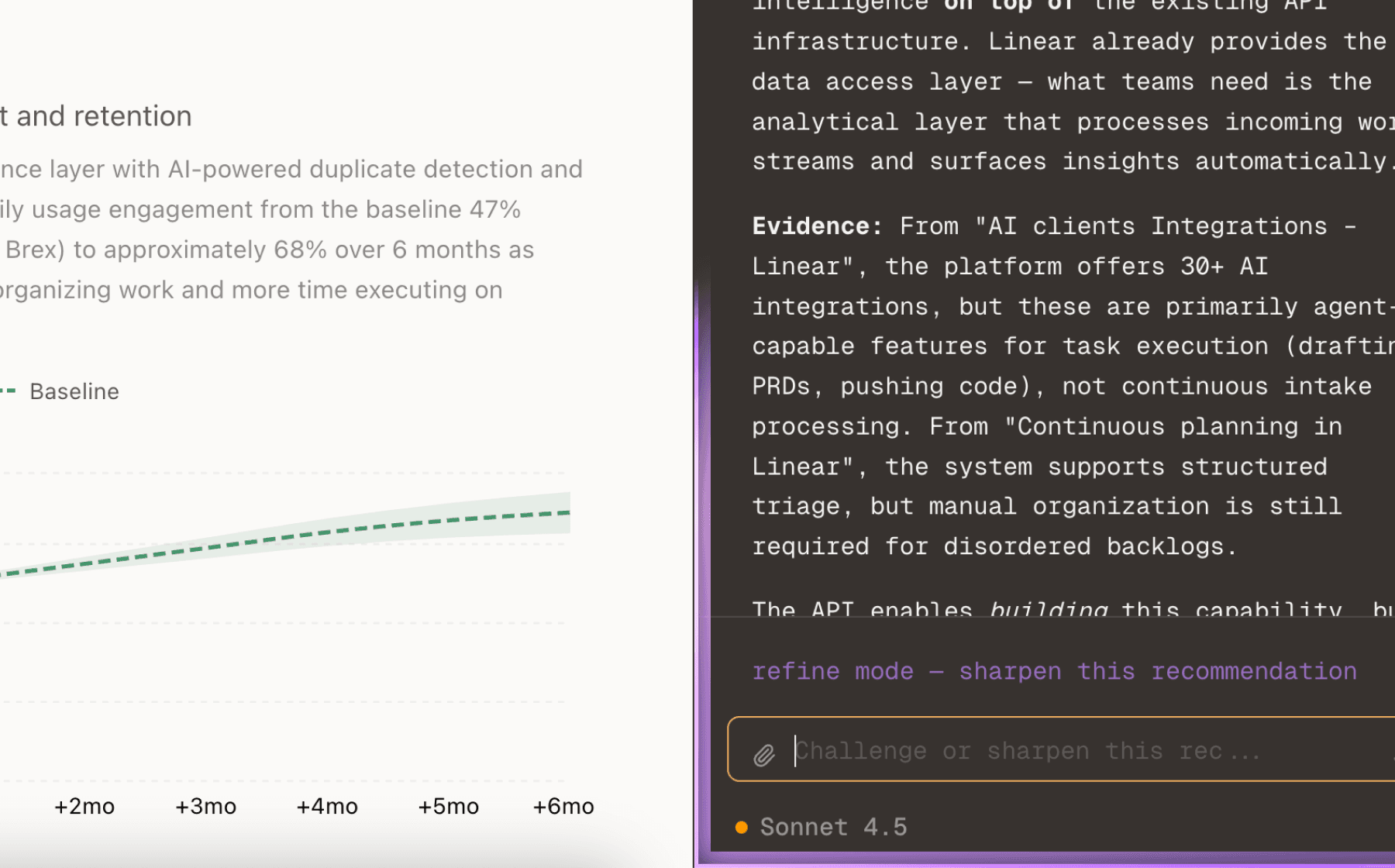
Chat with your data
Ask follow-up questions, refine recommendations, and capture business context through natural conversation.
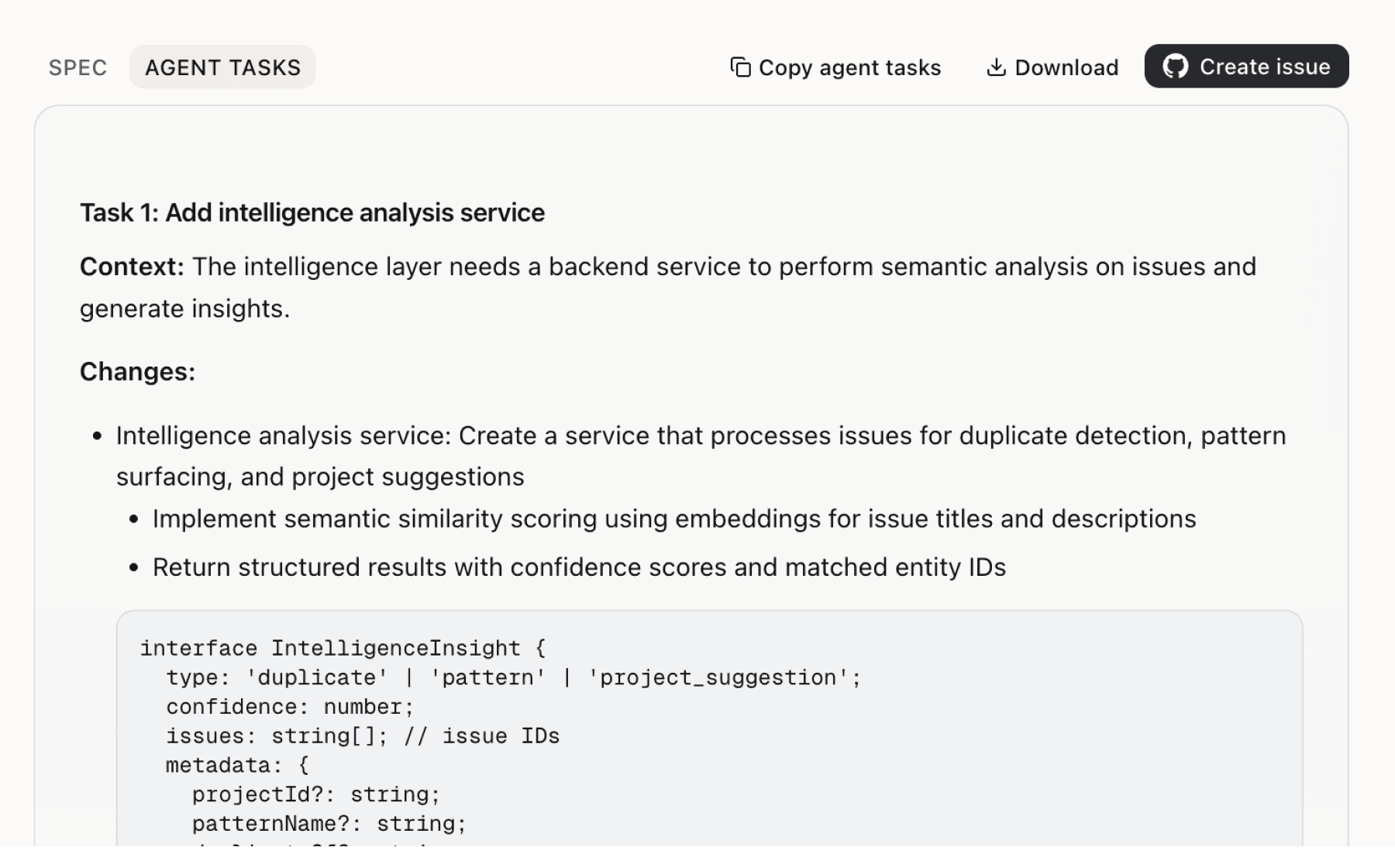
Specs your agents can ship
Go from insight to implementation spec to code-ready tasks in one click.
This analysis used public data only. Imagine what Mimir finds with your customer interviews and product analytics.
Try with your dataMore recommendations
3 additional recommendations generated from the same analysis
Users have basic rights to access and delete their data, but they lack visibility into what's actually happening with their information. The product's privacy-first architecture is a competitive advantage that remains mostly invisible to users during normal operation.
The terms reserve the right to terminate accounts immediately without prior notice or liability, while simultaneously placing full responsibility for account confidentiality on users. This creates a single point of failure — if account credentials are compromised, users face both immediate data loss and full blame.
The product claims email contents never persist on servers and only exist during real-time API sessions. This is a powerful differentiator for privacy-conscious users, but it's an invisible feature during normal use. Users must take this claim on faith rather than seeing evidence.
Insights
Themes and patterns synthesized from customer feedback
While users can access, update, delete personal information, and opt out of communications, the Terms & Conditions place full responsibility for account confidentiality on users themselves and reserve the company's right to immediate account termination without notice.
“Users are responsible for account confidentiality and all activities under their account”
While the product claims strong data protection (encryption, no third-party sales, technical safeguards), the Terms & Conditions state the service is provided 'as is' with no warranties for data protection, and the company reserves the right to terminate accounts immediately without liability. This creates a gap between stated privacy practices and legal liability exposure.
“Service provided 'as is' with no warranties for merchantability, fitness for purpose, or data protection”
The product implements a privacy-first architecture where email contents are never persisted on servers and only accessed in real-time through secure API connections to providers. Personal information is encrypted both in transit and at rest, and the company explicitly does not sell or trade user data to third parties.
“Email contents are never stored on servers; all access happens in real-time via secure API connections to email providers”
Run this analysis on your own data
Upload feedback, interviews, or metrics. Get results like these in under 60 seconds.